Graston Technique

This innovative, patented form of instrument-assisted soft tissue mobilization enables Dr. Scott to effectively break down scar tissue and fascial restrictions where traditional manual therapies may fail.

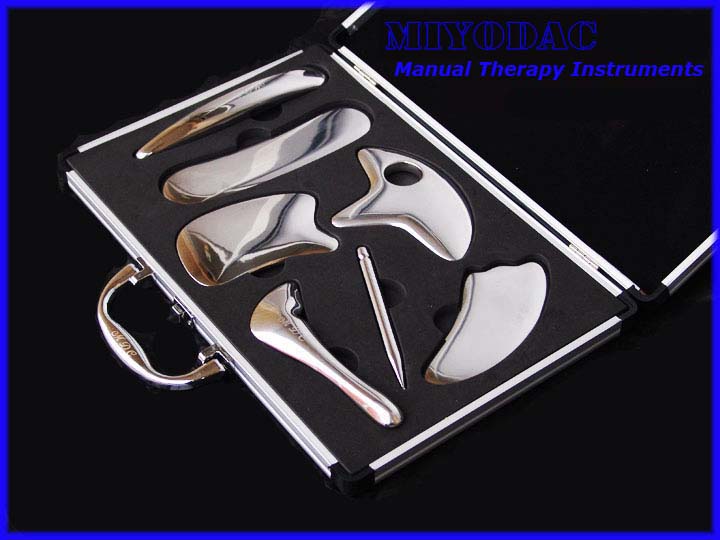
The technique utilizes specifically designed stainless steel instruments to detect and effectively treat areas exhibiting soft tissue fibrosis or chronic inflammation. The Graston® Technique is effective because it separates and breaks down collagen cross-links and splays connective tissue, which increases the rate and amount of blood flow resulting in increased cellular activity and facilitates reflex changes in the chronic muscle holding pattern.

Dr. Scott is certified as a GM1 in the Graston® Technique. In our office we use Miyodac therapy instruments in concert with Active Relesae Technique®, kinesiology taping and physiotherapy.

Running Gait Analysis

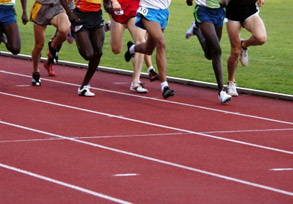
Runners absorb 3-6 times their body weight every time their foot contacts the ground and take 1000-2000 steps per mile. If a runner’s gait has a flaw to it, those stresses can lead to injuries that never resolve.

Dr. Scott’s years of training and racing, years of eduction and fascination with the biomechanics of ambulation have led him to being considered an expert in the treatment and diagnosis of running related injuries.  Dr. Scott believes that every runner, jogger and walker should have a gait analysis, and performs one on all of our patients at no additional charge.  Doing anything less that this would be treating only the symptom and not the underlying cause.

For a more in depth gait analysis, including a full functional strength and range of motion screening and a video analysis of your gait, see our RUN TESTING.

Physical Rehab

Dr. Scott utilizes a low-tech, functional movement approach to exercise rehabilitation geared toward improving balance and proprioceptionstrengthening core muscle groups and increasing muscle function and endurance.  He has worked alongside numerous medical doctors, physical therapists, athletic trainers and strength coaches throughout his career.

The goal of rehab and conditioning instructed in our clinic is to come up with a brief series of exercises specific to the individual needs of each patient.  Compliance rates are high with our patients because we ensure that our patients understand the purpose of their exercises and how those exercises help to bring both short-term and long-term relief of symptoms.

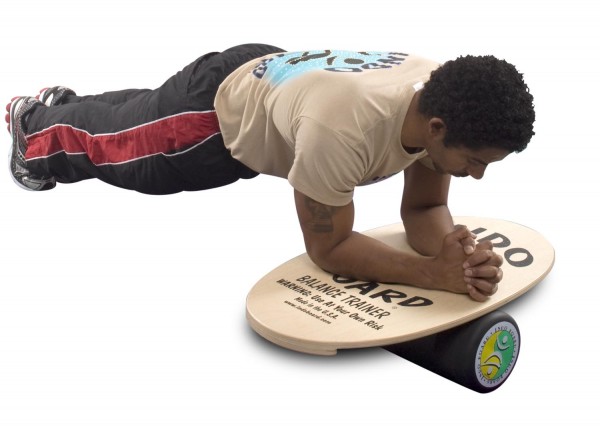
Exercise design and instruction are given in the clinic for patients to perform at home with simple equipment such as gym balls/swiss balls, exercise tubing, and proprioceptive or balance equipment. Core muscle group stabilization is the most important factor in prevention and recovery from injuries. Endurance of muscles that maintain proper function and stability when performing difficult movements is also critical in preventing injuries and  expediting recovery.

If you have a personal trainer, coach, martial arts, pilates, or yoga instructor, Dr. Scott will contact them and work hand-in-hand to coordinate a plan that works best for you and your individual goals.
With 20 years of endurance sports participation and 15 years of strength and conditioning training, Dr. Scott understands how to integrate exercise rehab to all the different lifestyles patients present with.

History of the CSCS

The Certified Strength and Conditioning Specialist (CSCS) program was created in 1985 to identify individuals who possess the knowledge and skills to design and implement safe and effective strength and conditioning programs. The credentialing program encourages a higher level of competence among practitioners and raises the quality of strength training and conditioning programs provided by those who are CSCS certified.

Today, more than 21,000 professionals from a variety of academic and professional backgrounds hold this prestigious credential. This diverse group includes strength coaches, athletic trainers, physical therapists, personal trainers, physicians, chiropractors, researchers and educators. The CSCS is the only strength training and conditioning certification to be nationally accredited by the National Commission for Certifying Agencies (NCCA) and has been nationally accredited since 1993.

Kinesiology Taping

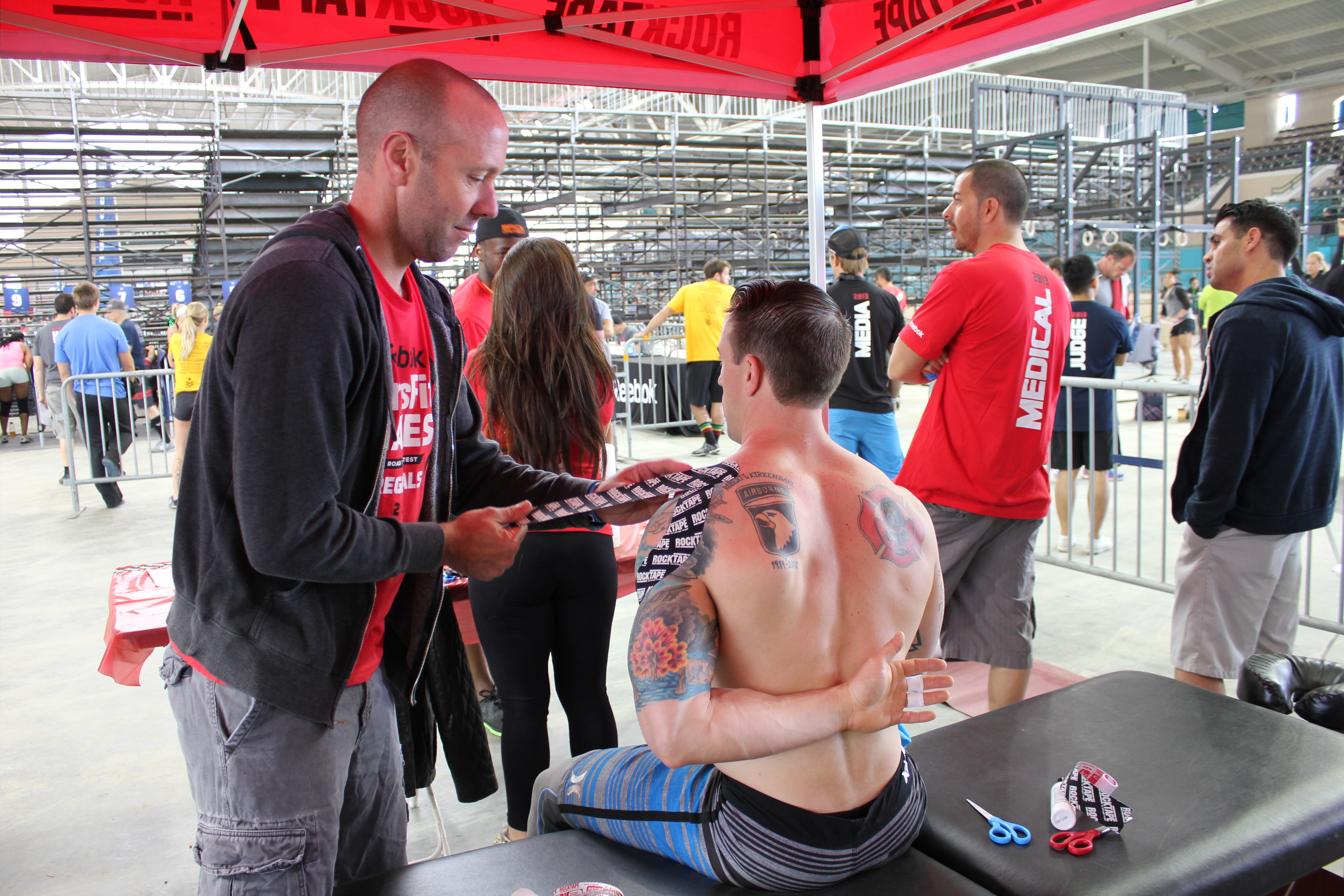
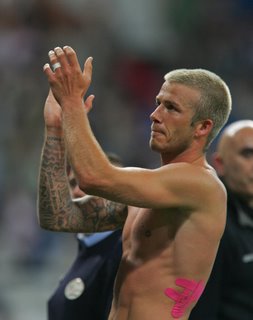
Kinesiology Taping involves taping over and around muscles in order to assist and give support or to prevent over-contraction. The first technique gives Dr. Scott the opportunity to give support while still maintaining full range of motion. This enables the patient to participate in his/her normal physical activities with functional assistance. The second technique, which is most commonly used in the acute stage of rehabilitation, helps prevent overuse or over-contraction and helps provide facilitation of lymph flow for an entire 24 hour period. Correctional techniques include mechanical, lymphatic, ligament/tendon, fascia, space and functional. Kinesio® Tex Tape and RockTape® can be used in conjunction with other therapies, including Active Release Technique®, cryotherapy, hydrotherapy, massage therapy and electrical stimulation.  Dr Scott is certified as both a Certified KinesioTaping® Practitioner (CKTP) and a RockTape® Power Taping Provider (CPTP).
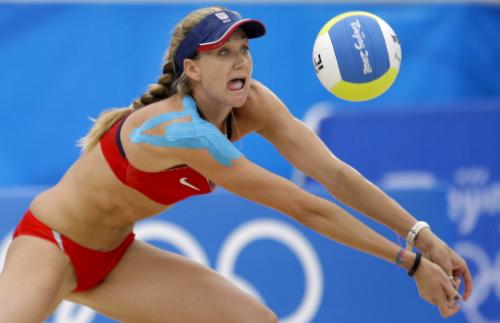
Kinesiology Taping affects the activation of the neurological system and the circulatory system. Muscles are not only attributed to the movements of the body, they also control the circulation of venous and lymph flows, body temperature, etc. Therefore, the failure of the muscles to function properly induces various kinds of symptoms. Consequently, more attention was given to the importance of muscle function in order to activate the body’s own healing process. Using an elastic tape, such as Kinesio® Tex Tape, it was discovered that muscles and other tissues could be helped by outside assistance. Kinesio® Taping is an innovative approach to treating nerves, muscles and organs.

Since the introduction of Kinesiology Taping in the United States, medical practitioners such as PTs, ATCs, OTs, DCs, MTs and MDs have recognized and embraced this effective, safe and best of all, easy-to-use modality. The method and tape allow the individual to receive the therapeutic benefits 24 hours a day with both comfort and ease because it can be worn for several days per application. Currently, Kinesio®Taping and RockTape’s PowerTaping® are used in hospitals, clinics, high schools and by even by professional sports teams.

 

Below is an example of Dr. Scott applying Kinesiology tape on an athlete at Ironman Arizona.


Chiropractic Care

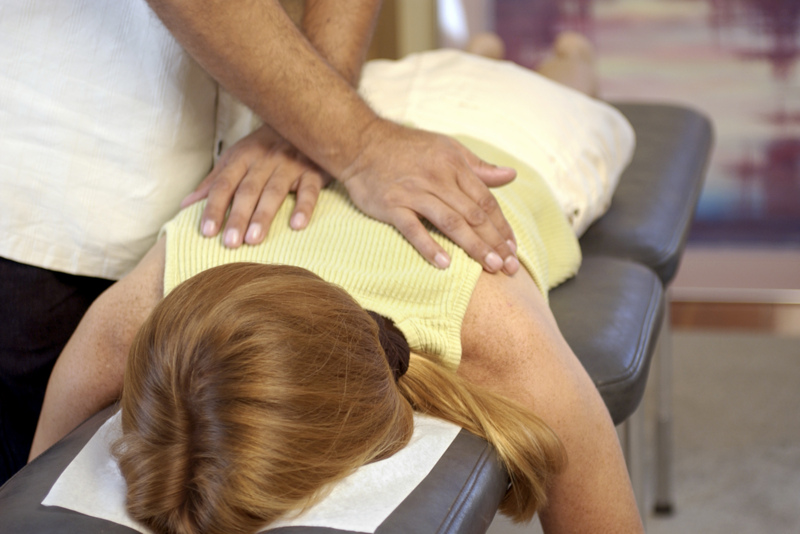
The word ‘Chiropractic’ is derived from Greek terminology and means ‘to treat by hand.’ Chiropractic care focuses on conservative, non-invasive treatment for joint and soft tissue problems and their associated effects on the neurological system. Joint and soft tissue problems, if left untreated, can ultimately lead to degenerative changes. The main job of the chiropractor is to identify the cause of the problem, address it properly, and educate the patient so as to reduce the need for continued care.

The field of chiropractic has evolved much over the last 110 years. Chiropractic care incorporates the best of treatments for joint, muscle, fascia, and ligament dysfunction to help you get better as quickly as possible.

Conditions Treated by Chiropractic

Chiropractic care is utilized for a multitude of conditions. The principles for the body are universal. If joints and associated soft tissue are not working properly and there is neurological compromise, care is necessary to correct the problem and help restore normal function.

With an emphasis on spinal structure and function, chiropractic care is an excellent treatment option for virtually any and all joint complexes in your body. As the only field that specializes in conservative treatment for joint dysfunction and soft tissue pathology, chiropractic care can most likely help you with whatever musculoskeletal condition you are suffering with!

About Chiropractic Education

Chiropractors go through an immense amount of schooling to recieve a Doctor of Chiropractic degree.  Their collegiate agenda is as follows:
– Graduate from a four year college.
– Four years of Chiropractic Education.
– One year of mandatory internships.
– After graduating, pass a written and oral board exams, at national and state levels.

Dr. Scott’s chiropractic alma mater, Southern California University of Health Sciences, is accredited by Western Association of Schools and Colleges (WASC). The WASC accreditation is a rigorous one, with other accredited institutions including Stanford University, UCLA, USC, and many others.

This chart shows the number of hours served under study by Chiropractic students and Medical students.

Chiropractic Student Hours Class Description Medical Student Hours
520 Anatomy 508
420 Physiology 326
271 Pathology 335
300 Chemistry 325
114 Bacteriology 130
370 Diagnosis 374
320 Neurology 112
217 X-Ray 148
65 Psychiatry 144
65 Obstetrics & Gynecology 198
225 Orthopedics 156
2,887 Total Hours 2,756
1,598 Specialty  Courses 1,492
4,485 Entire Total Hours 4,248

Active Release Technique®

Dr. Scott is the only fully certified Active Release Technique® and Ironman Network® doctor in South Orange County.  Less than 1% of health care providers have undergone the rigorous training necessary to become an ART® provider.  ART® is a patented, state of the art soft tissue system/movement based technique that treats problems with muscles, tendons, ligaments, fascia and nerves. Headaches, back pain, carpal tunnel syndrome, shin splints, shoulder pain, sciatica, plantar fasciitis, knee problems, and tennis elbow are just a few of the many conditions that can be resolved quickly and permanently with ART®. These conditions all have one important thing in common: they are often a result of overused muscles.

How do overuse conditions occur?

Over-used muscles (and other soft tissues) change in three important ways:

  • acute conditions (pulls, tears, collisions, etc),
  • accumulation of small tears (micro-trauma)
  • not getting enough oxygen (hypoxia).

Each of these factors can cause your body to produce tough, dense scar tissue in the affected area. This scar tissue binds up and ties down tissues that need to move freely. As scar tissue builds up, muscles become shorter and

weaker, tension on tendons causes tendinitis, and nerves can become trapped. This can cause reduced range of motion, loss of strength, and pain. If a nerve is trapped you may also feel tingling, numbness, and weakness.

What is an ART® treatment like?

Every ART® session is actually a combination of examination and treatment. Following your initial orthopedic and neurologic exam, Dr. Scott uses his hands to evaluate the texture, tightness and movement of muscles, fascia, tendons, ligaments and nerves. Abnormal tissues are treated by combining precisely directed tension with very specific patient movements.

These treatment protocols – over 500 specific moves – are unique to ART®. They allow providers to identify and correct the specific problems that are affecting each individual patient. ART® is not a cookie-cutter approach.

What is the history of Active Release Techniques®?

ART® has been developed, refined, and patented by P. Michael Leahy, DC, CCSP. Dr. Leahy noticed that his patients’ symptoms seemed to be related to changes in their soft tissue that could be felt by hand. By observing how muscles, fascia, tendons, ligaments and nerves responded to different types of work, Dr. Leahy was able to consistently resolve over 90% of his patients’ problems. He now teaches and certifies health care providers all over the world to use ART®. To learn more about this patented treatment system, click here.

Below is a video of Dr. Scott performing Active Release Technique® on an athlete at Ironman Arizona.